Automated Scarcity?

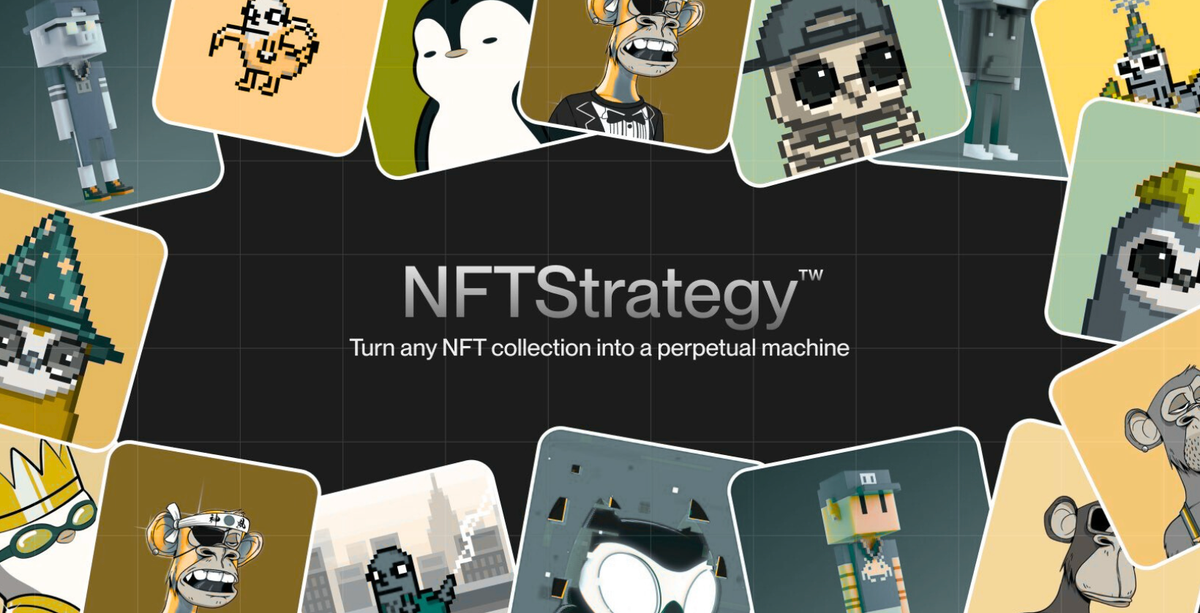
The Reflexive Flywheel: NFTs Finally Get Their MicroStrategy Moment
Bitcoin is one of the largest economic networks on earth. No CEO. No board of directors. No VC funding. Just code and incentives running on autopilot. Out of that design came a trillion-dollar asset and an entire industry of miners, exchanges, ETFs, and balance sheets.
Michael Saylor took the next step. He showed how a corporation could use cash and debt to turn Bitcoin into a reflexive balance sheet play. The more he bought, the stronger the narrative, the easier it became to raise more capital to buy more. Soon enough, funds and treasuries copied the playbook — not just with Bitcoin, but with ETH, SOL, AVAX.
So the natural question was: when will this happen with NFTs?
For years, NFTs were too illiquid, too cultural, too hard to financialize without killing what made them special. That changed this month. A small venture studio called TokenWorks released a protocol that finally cracked it: an autonomous machine that harvests trading volatility and recycles it into NFTs. No debt, no management team, no appraisers. Just traders feeding a smart contract that buys, vaults, and only sells higher.
They call it NFTStrategy. In under three weeks, it has already locked away $3.6M worth of assets without raising a single dime of debt.
The Mechanism is called: The Yoyo™
Here’s how it works:
- A fungible token is launched.
- Every trade has a 10% tax.
- 8% of the tax goes into a treasury.
- Once it hits a threshold, the treasury automatically buys NFTs from the target collection.
- Those NFTs then listed for 20% higher than the purchase price.
- When it sells, those proceeds buys back & burns the underlying strategy token. Pushing the token higher, increasing volatility, and inviting more traders to come in.
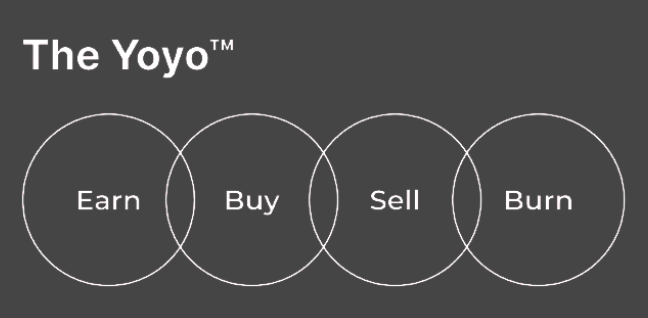
That’s it. Every time traders buy or sell the token, they indirectly fund NFT purchases. Meme coin volatility turns into cultural scarcity.
In its first 12 days, PunkStrategy bought 8 CryptoPunks... The current status across all strategies are listed below:

This is quickly becoming the ETF moment for NFTs: once the mechanism is proven, every major collection gets its own reflexive “Strategy.”
Why It Works
For years, meme coin traders and NFT collectors barely overlapped. One group played fast-twitch liquidity games. The other sat on illiquid cultural assets.
NFTStrategy stitches them together:
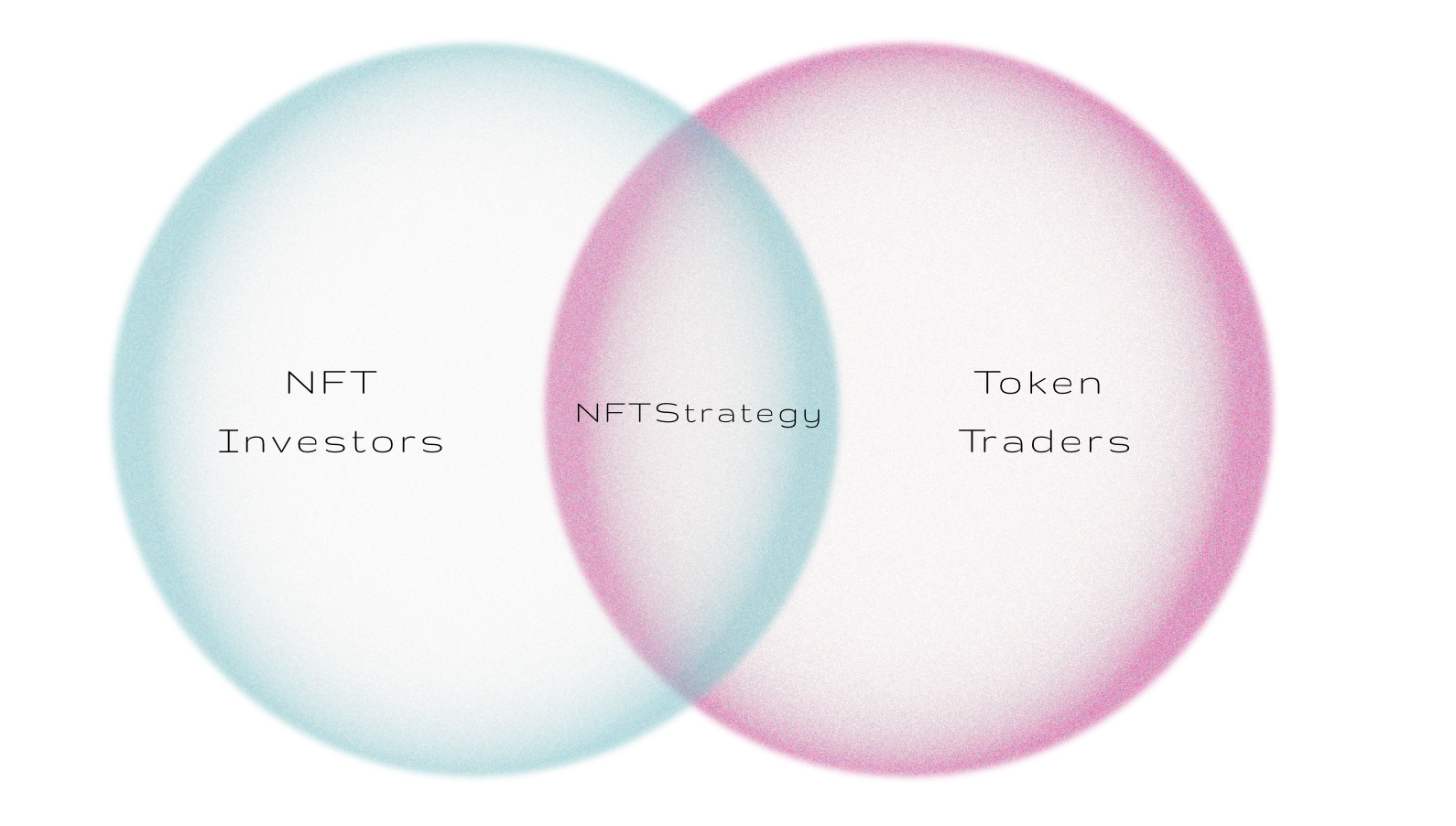
- Traders keep their volatility.
- Collections get perpetual buybacks.
- Communities get to chant the mantra “floor go up.”
And the scale matters. NFT collections are tiny compared to token markets. A few million in meme churn (which is nothing in DeFi) can vault dozens of high-end NFTs in weeks.
Take Pudgy Penguins. On September 18, the $PENGU meme coin saw $600M in volume. If just 1% of that flow was traded through a Pudgy strategy treasury token, with its tax fee, it would have raked in $480k... enough to sweep 10 Penguins off the floor in a single day.
That’s what NFTStrategy does, except it’s automated, transparent, and permanent.
The Paradox
But here’s the tension. Take the pessimistic view, and it starts to look like a fricken parasite: trader volume gets skimmed, NFTs get 20% more expensive, and instead of finding long-term homes in collector wallets, they’re hoovered up and locked away by a smart contract.
So what are we actually watching here? NFTs maturing into institutional collateral, or NFTs losing their cultural life?
That paradox is the bull case. Crypto has always thrived on paradox.
- Bitcoin became more valuable the less it was actually used for payments.
- NFTs may become more valuable the less they circulate in the open market.
Shit, scarcity cuts both ways. It might kill the vibe short term, but by strengthening the price it can bring attention back into the market.
The Start of Something Bigger
TokenWorks is adding seven new collections in the next seven days. At this pace, we could maybe see 25 more Strategies by the end of the quarter.
Most won’t get enough traction to sustain the flywheel. But the ones that do will be massive...and their success will feed back into the anchor collections like Punks. On top of that, traders are already designing strategies around the mechanics, and it’s only a matter of time before builders launch secondary layers: indexes, derivatives, maybe even yield products.
That’s how bigger markets start: autonomous systems that coordinate participants usually compound into entire sectors.
The next NFT bull market is gonna be weeiirrddd.
The irony is that it looks exactly like traditional finance: buybacks, ETFs, vaults, appraisals. The difference is that now it’s transparent, automated, and, in a strange way, more fun.
The flywheel is already spinning. The only real question is how many Punks, Penguins, and Apes get vaulted away before the rest of the world realizes what just happened.